Loading...
Serving Newark, CA and surrounding areas. (510) 561-1564
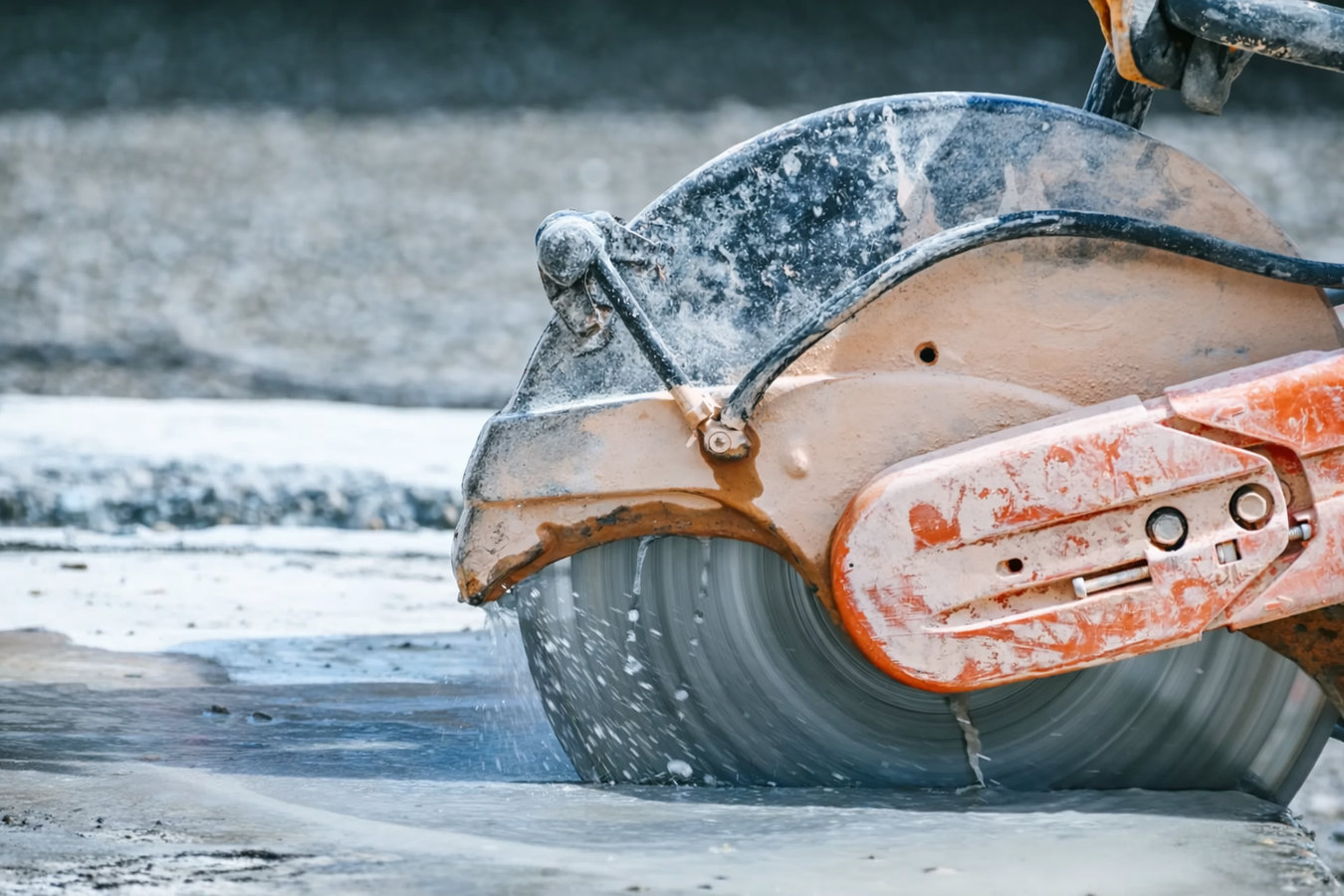
Cracked panels, new utility runs, or openings you need made precisely - we cut concrete cleanly with diamond-blade saws, handle 811 utility locates, and leave straight edges, not a mess.
Concrete cutting in Newark, CA removes or opens specific sections of a slab using diamond-tipped saws that leave clean, straight edges, making it the right call when only part of a surface is damaged or when a precise opening is needed, with most residential jobs completed in a single day.
Many Newark homeowners assume a cracked driveway panel or a utility trench means tearing out and replacing the entire surface. In most cases it does not. Concrete cutting isolates exactly what needs to go, removes it cleanly, and leaves the surrounding slab intact for repair or replacement. That saves time and money compared to a full tear-out.
If the cutting is part of a larger surface repair or you need a full new driveway section poured after the damaged area is removed, our concrete driveway building service can handle the pour once the cut is complete.
If one section of your concrete sits noticeably higher or lower than the section next to it, the soil underneath has moved - something common in Newark given the bay mud and alluvial soils beneath many neighborhoods. Cutting out the damaged panel cleanly is the first step toward releveling or replacing it, rather than leaving a trip hazard that gets worse over time.
A hairline crack that appeared two years ago and has since grown wider or sprouted new branches is telling you the slab is under ongoing stress. In Newark's climate, winter rains saturate the soil and summer dry spells shrink it - this repeated cycle puts pressure on concrete from below. Cutting out the affected section before the damage spreads is almost always less expensive than waiting until the whole area needs replacement.
If you are installing a gas line, adding an outdoor electrical circuit, or running a water line to a new feature, the contractor doing that work needs a clean opening through your concrete. Cutting creates that opening precisely, without destroying the surrounding slab - far cleaner than breaking the concrete out with a jackhammer.
If you are converting a single-car garage to fit a wider vehicle, or adding a doorway through a concrete block wall, concrete cutting is how that opening gets made safely and cleanly. This need comes up often in Newark's older ranch-style homes, where garages were built to 1960s car dimensions that do not fit today's larger vehicles.
We handle flat sawing for driveway panels, patios, and walkways; wall sawing for new doorways and window openings through concrete block or poured walls; and core drilling for utility penetrations that need a clean circular hole rather than a full-section removal. For every job that goes through the full depth of the slab, we handle the California 811 utility locate call - typically two to three business days before work begins - so underground gas, water, and electrical lines are marked before any blade touches your concrete. If you need a larger concrete pour after the cutting is done, our concrete parking lot building and driveway teams can pick up where the cutting leaves off.
We use wet cutting on most outdoor jobs to keep dust down and protect the surrounding surfaces. If your project is indoors or in a confined space, we discuss dust management options with you upfront - fine concrete dust spreads quickly and is not healthy to breathe.
Best for horizontal slab cuts on driveways, patios, walkways, and garage floors where a panel needs to be removed or a trench opened.
Best for vertical cuts through concrete block or poured walls to create doorways, window openings, or access panels.
Best for circular penetrations needed for plumbing, electrical conduit, gas lines, or HVAC runs through concrete slabs or walls.
Newark's combination of older housing stock and bay-edge soils creates a steady stream of concrete cutting needs. The city's established residential neighborhoods were built mostly from the 1950s through the 1970s, when concrete mixes and installation practices were different from today's standards. Slabs from that era are often thinner and more brittle than newer construction - which means the cutting technique matters more, not less. A contractor using the wrong blade speed or depth can crack the surrounding slab while trying to remove just one panel. We adjust approach based on what the slab actually is, not a generic setting.
Newark's older streets also carry decades of utility installations - gas, water, electrical, and telecommunications lines that have been added and rerouted over the years. That utility density is exactly why the 811 locate step is non-negotiable for any cut that goes through the full slab depth. Homeowners in Hayward, CA and Fremont, CA face the same combination of older infrastructure and shifting soils, and we work across all three areas regularly.
We ask basic questions about what you are trying to accomplish and how much concrete is involved. We aim to reply within one business day. Most estimates are done on-site because slab thickness and condition vary and both affect the price.
We check slab thickness, assess whether the concrete has steel reinforcement inside, and look at any known utilities in the area. This is when we tell you plainly whether a permit is needed and walk you through the planned cut lines.
Before any blade touches your concrete, we call 811 to have underground utilities marked - required by California law and takes two to three business days. If a City of Newark permit is required, we submit the application and wait for approval before scheduling the work.
The crew marks cut lines, sets up water for wet cutting, and completes the work - most residential jobs finish in a single day. We break out and haul the cut sections, rinse the slurry, and walk the site with you before leaving. Confirm debris hauling is in your quote upfront.
Free on-site estimate. We give you an honest answer before any work is scheduled. No pressure.
(510) 561-1564We call 811 for underground utility locates on every job that goes through the full slab depth - without being asked. Newark's older neighborhoods have layers of gas, water, electrical, and communications lines under driveways and patios, and skipping this step is both illegal and genuinely dangerous.
The right blade for a four-inch residential slab is different from what is needed for a six-inch reinforced commercial pour. We match blade type and speed to your slab's actual thickness and composition - which is how you get clean edges instead of crumbling and outward cracking.
If your project involves opening a foundation wall or modifying a structural slab, we manage the City of Newark Building Division permit process upfront. That means the work is documented, inspected, and on record - protecting you for any future sale or renovation.
Some Newark homeowners come expecting to need a full driveway replacement when targeted cutting and patching is the right call. We tell you the truth about your slab's condition - including if the soil movement underneath means a bigger fix is warranted - so you decide based on facts.
Clean cuts start with the right equipment and the right preparation - utility locates, permit checks, and a blade matched to your slab. You can learn more about professional concrete cutting standards from the Concrete Sawing and Drilling Association and from OSHA's guidance on concrete silica dust, which explains why dust management on indoor jobs matters. Together, those proof points tell you we take both the cut and the cleanup seriously.
Pour a new driveway section once damaged concrete has been cut out and the base is ready.
Learn MoreFull concrete parking lot construction or panel replacement for residential and light commercial properties.
Learn MoreGet your estimate locked in now and we handle the 811 locates and permits - so work starts on time and your slab is ready for whatever comes next.