
Loading...
Serving Newark, CA and surrounding areas. (510) 561-1564
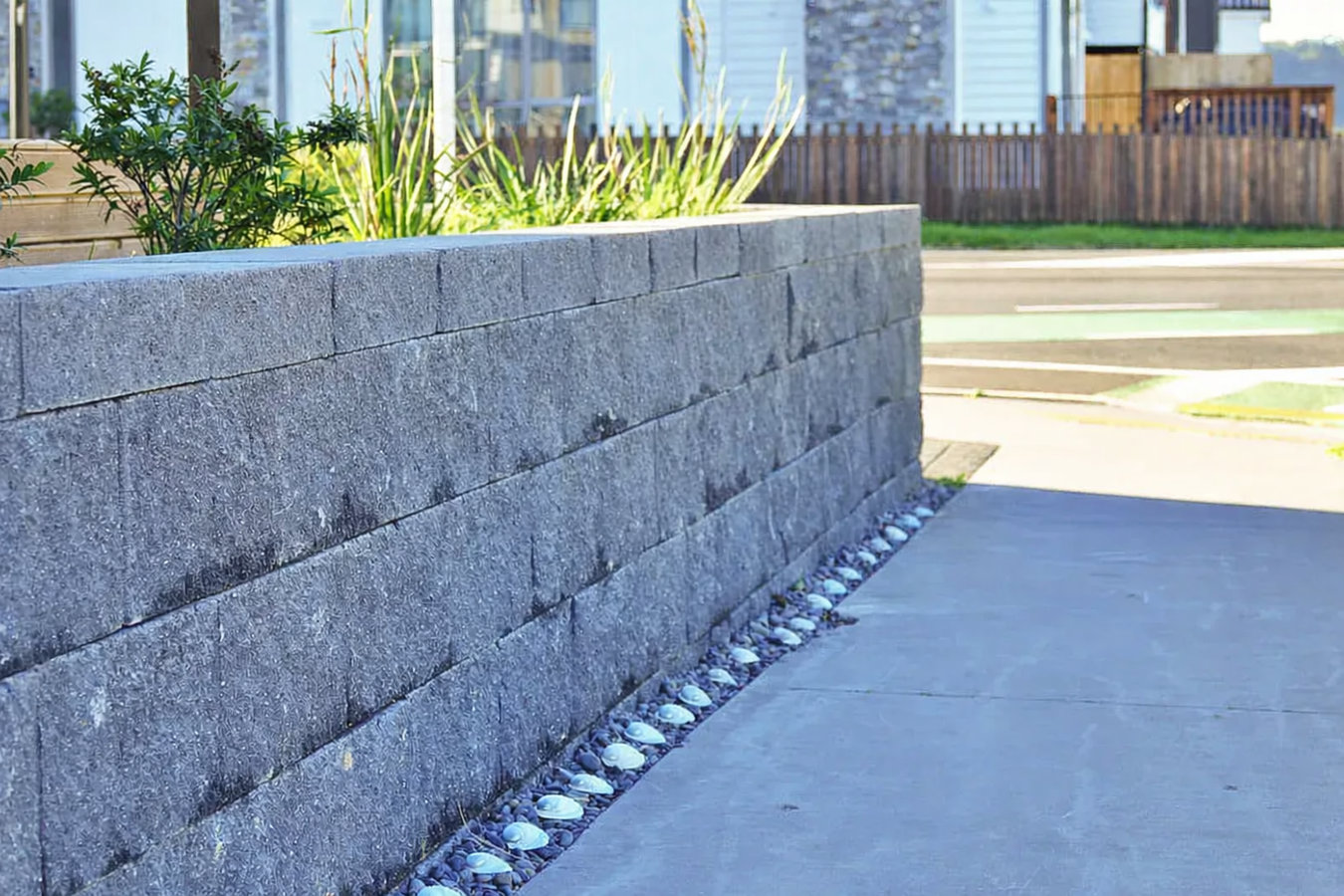
Your slope is moving, pooling water, or wearing out an old wall. We build poured concrete retaining walls engineered for Bay Area soils and seismic conditions.
Concrete retaining walls in Newark involve excavating a footing, placing forms and rebar, pouring concrete, and backfilling with proper drainage. Most residential walls of 20 to 40 linear feet take two to four days of active construction.
Newark sits on expansive bay mud and clay soils that shift with the wet-dry cycle every year. A wall that does not account for that soil behavior will start to lean or crack long before it should. We design every wall to handle the specific conditions on your property - not a generic spec from another region.
If you are also looking to add flat usable space on a slope, our concrete floor installation service pairs well with a new retaining wall to create a finished patio or work area on previously sloped ground.
If soil on a slope has moved downhill after a wet stretch - leaving a curved crack or a small cliff-like edge at the top - the ground is no longer stable. Newark's wet winters and clay-heavy soils make this kind of movement more common here than in drier parts of California.
Standing water that consistently collects at the bottom of a slope after rain means the slope above is shedding water faster than the ground can absorb it. Over time, saturated soil increases the pressure on anything holding that slope in place.
A retaining wall that is starting to tilt forward, or one with horizontal cracks across its face, is under more pressure than it was designed to handle. This is especially common in Newark neighborhoods where older walls were built without the drainage or reinforcement current standards require.
When the soil beneath a driveway or patio shifts, the surface above it cracks. New cracks near the edge of a slope or raised planting area are a warning that soil movement is the underlying cause - and surface repairs alone will not fix it.
Whether you need a straightforward new wall to hold back a sloped planting bed or a more complex replacement for an aging wall that is already leaning, we handle the full scope - from permit application through final inspection. We also build terraced wall systems for steeper grades, where a single tall wall would be impractical or cost-prohibitive.
For properties where soil movement is affecting other hardscape, check our concrete steps construction service - steps built alongside a retaining wall are often the most practical way to navigate a grade change safely.
For homeowners who need to hold back a slope, create level yard space, or protect a foundation from soil movement on a previously unaddressed grade.
For properties with an existing wall that is leaning, cracking, or failing - including older walls built without proper drainage or adequate reinforcement.
For sites near the Hayward Fault that require wall designs accounting for lateral earthquake forces in addition to standard soil pressure loads.
For steep slopes where a single tall wall would be impractical - multiple lower walls create level planting beds or usable yard areas in a series of steps.
Newark sits at the eastern edge of San Francisco Bay, and large portions of the city are underlain by bay mud and heavy clay soils. Those soils swell during the rainy season and shrink in the summer heat - a constant cycle that puts stress on any structure in the ground. Homeowners in neighborhoods near the shoreline are especially likely to see the effects of this soil movement on older walls. The Hayward Fault runs close enough to Newark that walls here are also expected to handle lateral seismic forces, not just the weight of soil behind them.
Hillside lots in newer subdivisions - particularly neighborhoods built during the 1970s through 1990s - were often created by cutting and filling slopes to make flat building pads. The fill soil in those areas can shift over time in ways that original grading did not account for. We work regularly across the service area, including for homeowners in Hayward, CA and Union City, CA, where similar soil and grading conditions apply.
Call or submit a form and we will schedule a free walk of your property within one business day. The visit covers the slope, soil conditions, equipment access, and whether a permit will be needed - no cost, no pressure to commit.
After the site visit you receive a written estimate breaking down scope, materials, and cost. If your wall requires a city permit - likely for anything over three feet in Newark - we explain the process and handle the application for you.
We call 811 to mark utilities before any digging starts. The crew excavates the area and sets the footing trench - the noisiest part of the project, usually completed in one to two days.
Forms go up, steel reinforcement is placed, and concrete is poured. After three to seven days of curing, the crew backfills and grades for drainage. If a permit was pulled, a city inspector signs off and you keep the documentation.
Free site visit. Written estimate. No pressure. We know Newark's permits and soils - let us handle the details.
(510) 561-1564California requires a C-8 Concrete Contractor license for this type of structural work. You can verify any contractor's license status on the CSLB website before hiring - it shows whether they are active and in good standing.
Newark's bay mud and expansive clay soils require deeper footings and better drainage than most other markets. We account for these conditions in every estimate - not as an add-on, but as a baseline.
USGS soil and seismic dataWe handle the permit process with the City of Newark from application through final inspection. You get city-issued documentation proving the wall was built to code - which matters when you sell or refinance.
Every wall we build includes gravel backfill and weep holes sized for the expected water load. Drainage is not an optional extra - skipping it is the primary reason retaining walls fail prematurely.
Every wall we build combines local soil knowledge with the permit documentation your home needs. When you call us, you get a contractor who knows what the ground under your property actually does - and builds accordingly.
Verify contractor license status at the California Contractors State License Board.
New concrete floor slabs for garages, interiors, and outdoor areas - built on a properly prepared base for long-term durability.
Learn MoreCustom concrete steps that connect grade changes safely and hold up to daily use in the Bay Area climate.
Learn MoreNewark slopes take a beating every winter. Contact us now to schedule a free site visit and lock in your project date.