
Loading...
Serving Newark, CA and surrounding areas. (510) 561-1564
Old, cracked garage slabs are a safety hazard and an eyesore. We pour new garage floors the right way - proper base prep, correct thickness, full reinforcement - so the floor stays solid for decades, not a few years.
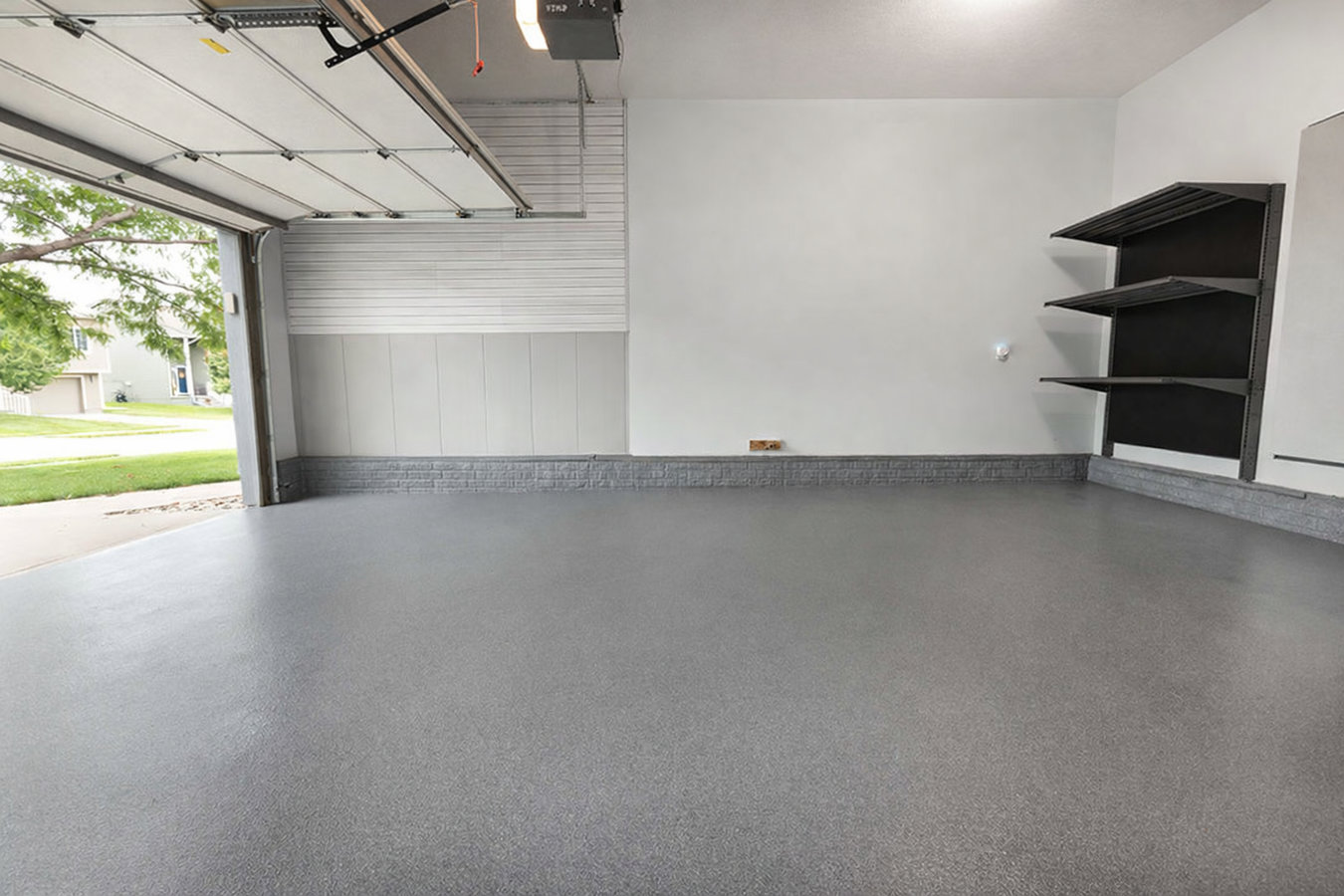
Garage floor concrete in Newark means removing the old slab, preparing and compacting the ground underneath, and pouring a new slab to correct thickness with steel reinforcement. Most standard two-car garage jobs take one to two days of active work, though the concrete needs about a week before you can park on it.
If you have been patching the same cracks for years, the problem usually is not the surface - it is the clay soil underneath shifting with every rainy season. That is what drives most Newark homeowners to look at a full replacement. Once the base is right, the slab stays right.
Thinking about upgrading the look at the same time? Our decorative concrete service can add an epoxy coating or exposed aggregate finish after the slab cures.
Small hairline cracks are normal in any concrete. But if you can fit the edge of a coin into a crack, or if cracks run diagonally in a jagged path across the floor, the slab is under stress from below. In Newark, this pattern usually points to clay soil movement - and no surface patch will fix what the ground is doing.
Walk slowly across your garage and notice whether the floor feels level. If water pools in the middle after you wash your car, or one section feels noticeably lower, the slab has settled unevenly. This is common in Newark homes built on bay-area soils where the ground beneath older slabs has compressed over decades.
If the top layer of your garage floor is peeling or crumbling - especially near the garage door opening - the surface has deteriorated past the point where a coating or patch will hold. This kind of breakdown often happens in older slabs poured with a weaker mix or never sealed against moisture.
A large share of Newark's homes date from the city's rapid growth era, and garage slabs from that period are now 40 to 60 years old. They were often poured thinner and with less reinforcement than today's standards. Age alone is not a reason to replace, but age combined with any of the signs above usually is.
Every garage floor project starts with the same foundation: we remove the old slab, assess the condition of the soil underneath, compact a gravel subbase, and pour fresh concrete at the right thickness for your use - typically four inches for passenger vehicles, five or six for heavier loads. We cut control joints into every pour to manage cracking predictably, and we always include steel reinforcement.
Once the slab has fully cured, there are several directions you can go. Our decorative concrete options include epoxy coatings that resist oil stains and are easy to clean, as well as exposed aggregate finishes. If you are also updating adjacent interior spaces, our concrete floor installation service handles indoor slabs with the same attention to base prep and finish quality.
Best for most Newark homeowners replacing a worn or cracked garage floor with a plain, durable surface.
Suited for garages that double as workshops, storage areas for heavy equipment, or homes with trucks or RVs.
Ideal for homeowners who want a floor that resists oil stains and is easy to hose clean after messy jobs.
Newark sits at the southern edge of San Francisco Bay on expansive clay soil that swells when wet and contracts when it dries. That seasonal movement is why so many garage floors in Newark crack within a decade of being poured - and why base preparation matters more here than in areas with stable sandy soil. A well-compacted gravel subbase is not optional in this climate. It is what keeps your new slab from repeating the same pattern as the one you are replacing. Homeowners in Fremont, CA and Union City, CA face the same Bay Area soil conditions.
Newark also requires building permits for full slab replacements, which is a layer of protection most homeowners do not think about until they are trying to sell their home. A permit means a city inspector signs off on the work - your built-in quality check. We handle the permit process for every garage floor project. For context on permit requirements, the California Department of Housing and Community Development maintains resources on residential construction standards statewide.
We will get back to you within one business day to schedule a free on-site visit. We ask a few questions upfront - garage size, current condition, whether you want a plain slab or a coated finish - so the estimate visit is efficient.
A crew member visits to look at the existing slab and the soil underneath. You get a written estimate that itemizes demo, base prep, pour, reinforcement, and any finishes. No verbal ballparks.
For full replacements, we pull the City of Newark building permit before any work starts. Once the permit is issued - typically a few days to two weeks - we schedule your pour date.
Demo and base prep happen first - usually one day. The pour follows on the next scheduled day. Before we leave, we give you written curing instructions: foot traffic after 24 hours, vehicles after seven days.
Free estimate, written quote, no pressure. We reply within one business day.
(510) 561-1564Newark's clay soil is one of the most common reasons garage floors fail within a decade. We compact a proper gravel subbase on every job - not because it is required, but because skipping it means your slab cracks on the same schedule as the one we are replacing.
We handle the City of Newark building permit on every full replacement, and we never start demolition until it is in hand. That protects you at resale and gives you a city inspection as a quality check at no extra effort on your end.
Every quote we provide is itemized - demo, base, pour thickness, reinforcement, finishes, and permit fees. You know exactly what you are paying for before you sign anything. The California Contractors State License Board recommends written, itemized contracts for all concrete work over $500.
Concrete poured into wet conditions or during a rainstorm can fail before you ever park a car on it. We schedule pours in dry weather windows and will not start if rain is forecast within 48 hours of the pour - protecting your investment before work even begins.
Every garage floor we pour in Newark is backed by the same approach: honest assessment, proper base work, and a permit on file. That combination is what separates a floor that lasts from one that needs replacing again in five years.
Add color, texture, or an epoxy coating to your new garage slab for a finished look that holds up to daily use.
Learn MoreInterior concrete floors for living spaces, workshops, and utility areas - poured with the same base prep standards as our garage work.
Learn MoreSpring is the best window for Bay Area concrete pours - contact us today to lock in your date before the season fills up.