
Loading...
Serving Newark, CA and surrounding areas. (510) 561-1564
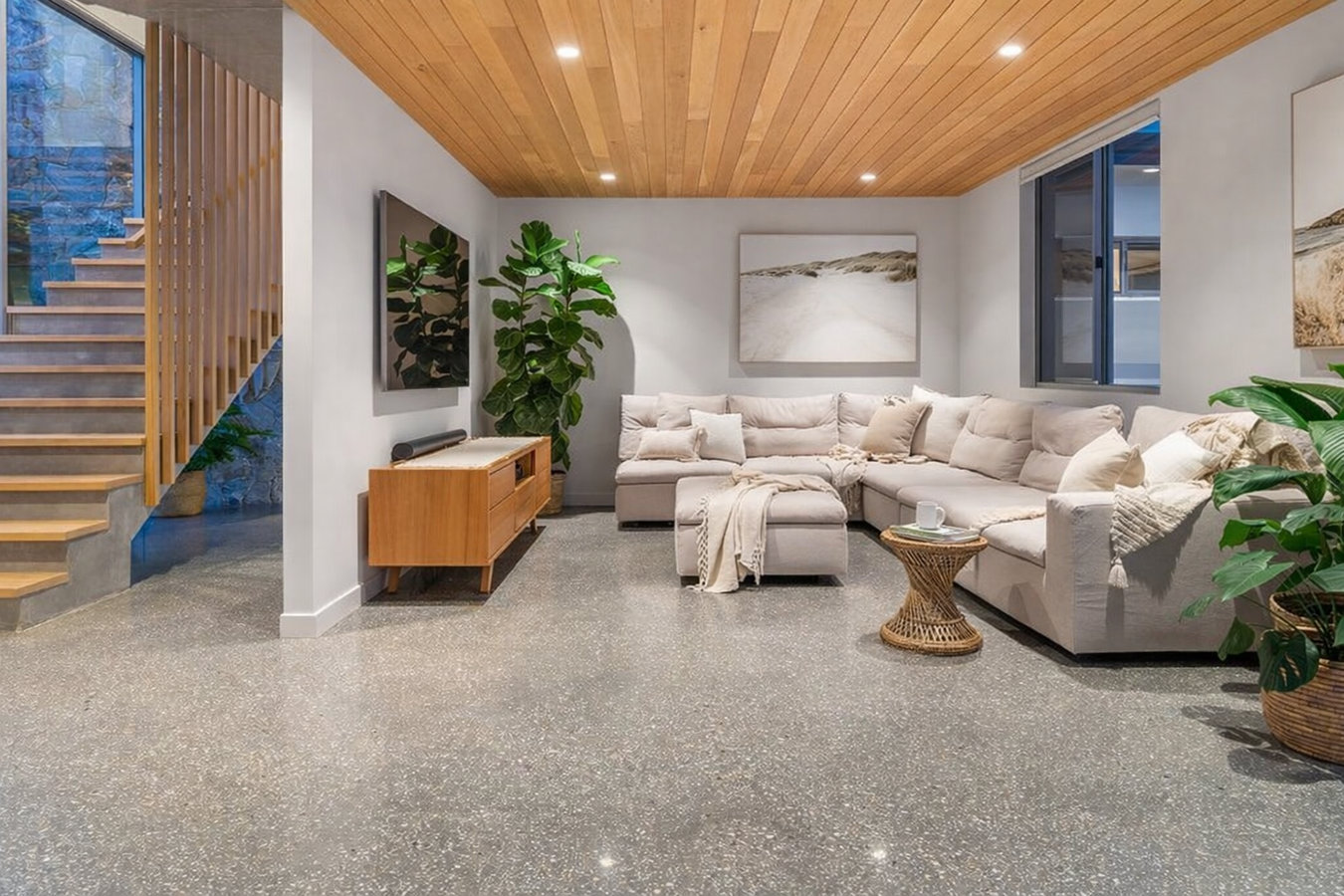
Your garage floor is cracking, settling, or overdue for replacement. We install concrete floors prepared for Bay Area soil conditions with the permits and inspections your home needs.
Concrete floor installation in Newark starts with preparing the ground - removing old material, compacting the soil, laying a gravel base, and installing a moisture barrier. Then we pour the concrete, spread and level it, and finish the surface before it sets. Most residential floors take one to three days of active work depending on the size of the area.
Newark's bay mud and clay soils make base preparation more critical here than in most other markets. A slab poured directly on unprepared ground in this area will crack sooner than one built on properly compacted fill with a moisture barrier in place. We do not treat base prep as an optional step - it is built into every job we quote.
If you are converting your garage and want a finished surface, our garage floor concrete service includes finish options tailored specifically to that use case.
Small hairline cracks in a concrete floor are common and often harmless. But cracks wider than a quarter-inch, or cracks that seem to be growing or shifting, signal that the slab is moving. Newark's clay-heavy soils expand and contract with the seasons - a floor that is actively shifting will not get better on its own.
A properly installed concrete floor slopes slightly so water drains away from the structure. Puddles forming in the middle of your garage or near the walls mean the floor has settled unevenly - a common result of soil movement in the Newark area.
If the top layer of your floor is peeling away in chips or looks rough and pitted where it used to be smooth, the concrete is deteriorating. In Newark this is more often a sign of a poor original mix or a floor that was finished before it fully cured than of freeze-thaw damage.
Many Newark homes were built in the 1950s through 1970s, and original slabs from that era were often poured thinner and without moisture barriers. If your floor is original to a home of that age and you have noticed any of the warning signs above, it may be near the end of its useful life.
Whether you need a standard garage floor replacement or a polished interior slab for a converted workspace, we handle the full project from permit application through final city inspection. Every pour includes control joints - the planned lines that give concrete a place to crack predictably rather than randomly across your floor.
For outdoor entertaining spaces where a concrete surface meets a pool or patio area, our concrete pool decks service uses the same base preparation approach adapted for outdoor drainage and slip resistance requirements.
For homeowners replacing a cracked, settling, or deteriorating slab - includes demolition, base prep, moisture barrier, and a finish suited to vehicle loads.
For additions, detached garages, or spaces being converted where no existing slab is in place - built from the ground up with proper base preparation.
For basements, workshops, laundry rooms, or garage conversions where a flat, finished concrete floor is the foundation for what goes on top.
For homeowners who want color, sheen, or a specific texture - stained, polished, or stamped surface options applied to a freshly poured slab.
Newark is built on the eastern shore of San Francisco Bay, and much of the city sits on bay mud and expansive clay soils. Those soils swell when the winter rains arrive and shrink back when summer heat dries them out. A slab poured without proper compaction and a moisture barrier in these conditions will crack well ahead of schedule - it is not a question of if, but when. The City of Newark also requires permits for most slab work, which means your job is inspected and documented. Unpermitted concrete work can create complications when you sell or refinance.
Timing matters here too. Newark's rainy season runs roughly November through March, and exterior concrete pours need protection from rain for the first 24 hours. Spring through early fall is the preferred window for garage floors and outdoor slabs. Homeowners in Fremont, CA and Union City, CA face the same soil conditions and scheduling considerations.
Reach out and we will follow up within one business day. We will ask about the space, its size, and whether an old slab needs to come out - this helps us give you a useful ballpark before we ever visit your home.
We come to measure the space, check soil and drainage conditions, and assess whether a permit will be needed. In Newark, most slab work requires a city permit - we explain the process and handle the application for you.
If an old slab is coming out, that is the first day's work. Then we compact the soil, lay a gravel base, and install a moisture barrier. This prep work is what determines whether your floor lasts 10 years or 50.
Concrete is poured, spread, leveled, and finished in a single day. The floor needs 24 to 48 hours before light foot traffic, and about 28 days to reach full strength. If a permit was pulled, a city inspector signs off and you keep the documentation.
Free site visit, written estimate, no obligation. Spring and summer slots go quickly - reach out now to hold your date.
(510) 561-1564The CSLB requires a C-8 Concrete Contractor license for this type of work. You can verify any contractor's license number on the CSLB website in about 30 seconds - active status, license type, and any complaints on record.
California Contractors State License BoardBay Area clay soils require proper compaction, a gravel layer, and a moisture barrier to give a slab stable footing. We treat this as a baseline - not an optional upgrade - because skipping it is what causes floors to crack within a few years.
We submit the permit application to the City of Newark Building Division and coordinate the final inspection. You get city-issued documentation proving the job met California building standards - which matters when you refinance or sell.
A floor built to park two cars needs to be thicker than one built for light storage. We ask about your intended use before recommending a thickness - so your floor handles what you actually put on it without cracking early.
Every floor we install combines proper base preparation for Newark soils with the permit documentation your home needs. You get a finished floor and the paperwork to back it up.
Portland Cement Association guidance on curing and base preparation: cement.org.
Slip-resistant pool deck surfaces that handle the Bay Area wet-dry cycle and stay comfortable underfoot year-round.
Learn MorePurpose-built garage slabs with the thickness and finish to handle daily vehicle loads and Bay Area soil movement.
Learn MoreNewark contractors book up in spring. Contact us now to schedule a free estimate and secure your project date.