Loading...
Serving Newark, CA and surrounding areas. (510) 561-1564
Cracked, lifted, or noticed by the city - we replace sidewalks in Newark the right way, with proper permits and base prep that holds up through the rainy season.
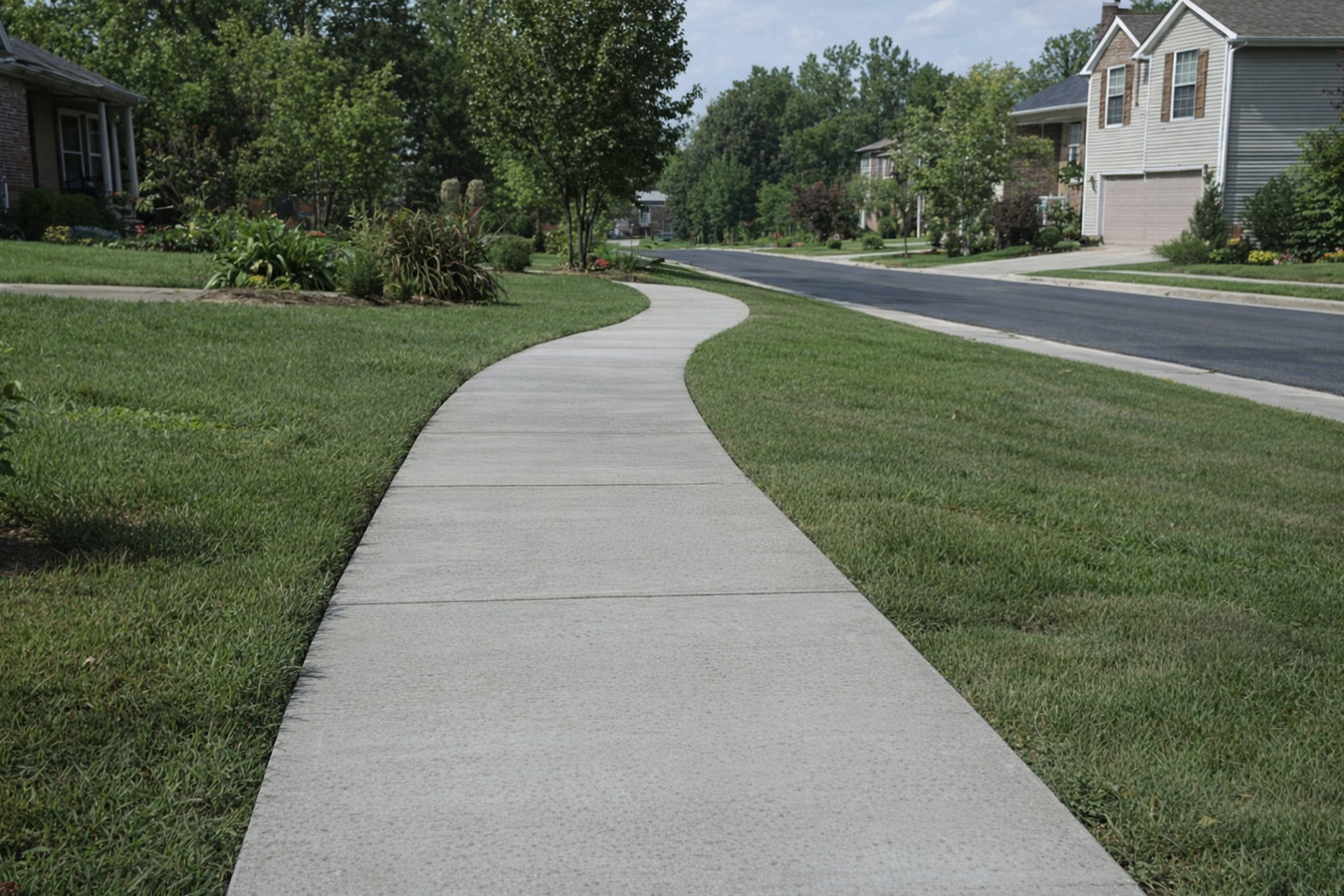
Concrete sidewalk building in Newark means removing the old surface, grading and compacting a stable base, and pouring fresh concrete that can last 30 to 50 years - most jobs take one to two days, though a city encroachment permit typically adds one to two weeks before work can start.
Many Newark homeowners first notice the problem when a neighbor or family member nearly trips on a lifted edge, or when they receive a letter from the city. Either way, the process is more straightforward than most people expect. We handle the permit, the demo, the base, and the pour.
If your property also needs a new driveway, our concrete driveway building service can be coordinated alongside the sidewalk project to reduce overall mobilization costs.
Cracks wider than a quarter-inch, or cracks that run all the way across a slab, usually mean the underlying base has shifted and the whole section needs replacement. Small hairline cracks are normal, but once spreading patterns appear, patching rarely holds.
Newark's clay-heavy soil expands and contracts with the wet and dry seasons. Over time this can push individual sidewalk slabs up or tilt them at an angle. A slab that sits noticeably higher than its neighbor becomes a trip hazard - one of the most common reasons Newark homeowners call for a replacement.
Mature street trees in older Newark neighborhoods can lift concrete slabs from below over several years. A slab cracked in a pattern that follows a root line, or one pushed up near a tree trunk, is a sign the root is the cause. Patching alone will not solve the problem.
The City of Newark periodically inspects public sidewalks and can issue notices when a sidewalk is deemed a trip hazard. If you have received a letter or door hanger from the city, there is usually a deadline. Acting promptly gives you more time to choose a contractor you trust.
We build and replace residential concrete sidewalks throughout Newark and the surrounding East Bay. That includes front-yard walkways, paths leading from the driveway to the front door, and public-facing sidewalk sections in the right-of-way. Standard sidewalks are poured four inches thick, and sections that cross a driveway apron are thickened to six inches to handle vehicle loads.
Finish options range from standard broom texture to decorative or stamped surfaces that tie into a garage floor or front-entry design. If you want a decorative surface that matches a stamped driveway or patio, we can coordinate both projects for a consistent look across your whole property. Old concrete demolition debris is hauled away and can be recycled per CalRecycle guidelines.
Suits most residential sidewalks - the brushed texture adds grip when wet and is the most durable everyday option.
Suits areas where a cleaner, more polished look is preferred, such as a front-entry walkway visible from the street.
Suits homeowners who want the sidewalk to match a stamped patio or driveway for a cohesive outdoor look.
Required where the sidewalk crosses a driveway apron - poured thicker to handle vehicle loads without cracking.
Newark was largely built out between the 1950s and 1970s, and many of the original sidewalks in older neighborhoods are reaching the end of their useful life. Mature street trees - a common feature in these established areas - are a frequent cause of heaving and cracking. When replacing a sidewalk near a large tree, root conditions need to be assessed before the pour, not after. Skipping this step is one of the most reliable ways to end up with the same problem in five years.
The clay soils common to the eastern Bay Area also require proper subbase compaction that some contractors skip to save time. We work across the area, serving neighborhoods in Hayward and San Leandro where the same conditions apply. The U.S. Access Board ADA sidewalk guidelines cover accessibility requirements for sidewalk surfaces that we follow on every project.
Tell us the length and condition of your current sidewalk, and whether there are any trees nearby. We respond within 1 business day and schedule a site visit to measure and give you a written estimate.
We apply for the City of Newark encroachment permit before any work begins. Permit review typically takes a few business days to two weeks. We handle all the paperwork - you do not need to visit any city offices.
On the first day, we remove the old concrete and haul it away. We then grade and compact the ground to create a stable base. This step is the most important part of the job - a well-prepared base is what keeps your new sidewalk level for years.
We set the forms, pour the concrete, score control joints, and apply the finish. You should stay off the surface for at least 24 to 48 hours. We walk you through the curing timeline before we leave so there are no guesses.
We handle the permit, demo, and pour. Free written estimate, no obligation.
(510) 561-1564We apply for the City of Newark encroachment permit on every applicable project and coordinate the inspection. You get a completed job that is fully documented - no exposure if the city checks later.
Expansive clay soil under Newark properties is the main reason sidewalks crack and lift over time. We excavate to the right depth, compact the ground, and add a gravel layer on every project to account for seasonal soil movement.
We hold an active California Concrete Contractor license, verifiable on the CSLB website. California law requires any contractor doing work over $500 to be licensed - this protects you from unlicensed operators who can disappear if something goes wrong.
In older Newark neighborhoods with mature street trees, we assess root conditions before we pour and take steps to reduce the risk of the same problem recurring - trimming surface roots or installing a barrier where warranted.
A sidewalk that holds up in Newark requires the right permit process, the right base preparation for local clay soils, and an honest assessment of root conditions before the pour. Those three things are what separate a replacement that lasts from one that needs attention again in a few years. Check any contractor's California license on the CSLB website before you sign anything.
New garage floor slabs poured to handle vehicle loads and daily use, with finish options from plain to epoxy-ready.
Learn MoreFull driveway replacement or new installation, coordinated alongside a sidewalk project to reduce mobilization costs.
Learn MoreCity permit deadlines don't wait - reach out now and we will get your project on the calendar before the next rainy season.