Loading...
Serving Newark, CA and surrounding areas. (510) 561-1564
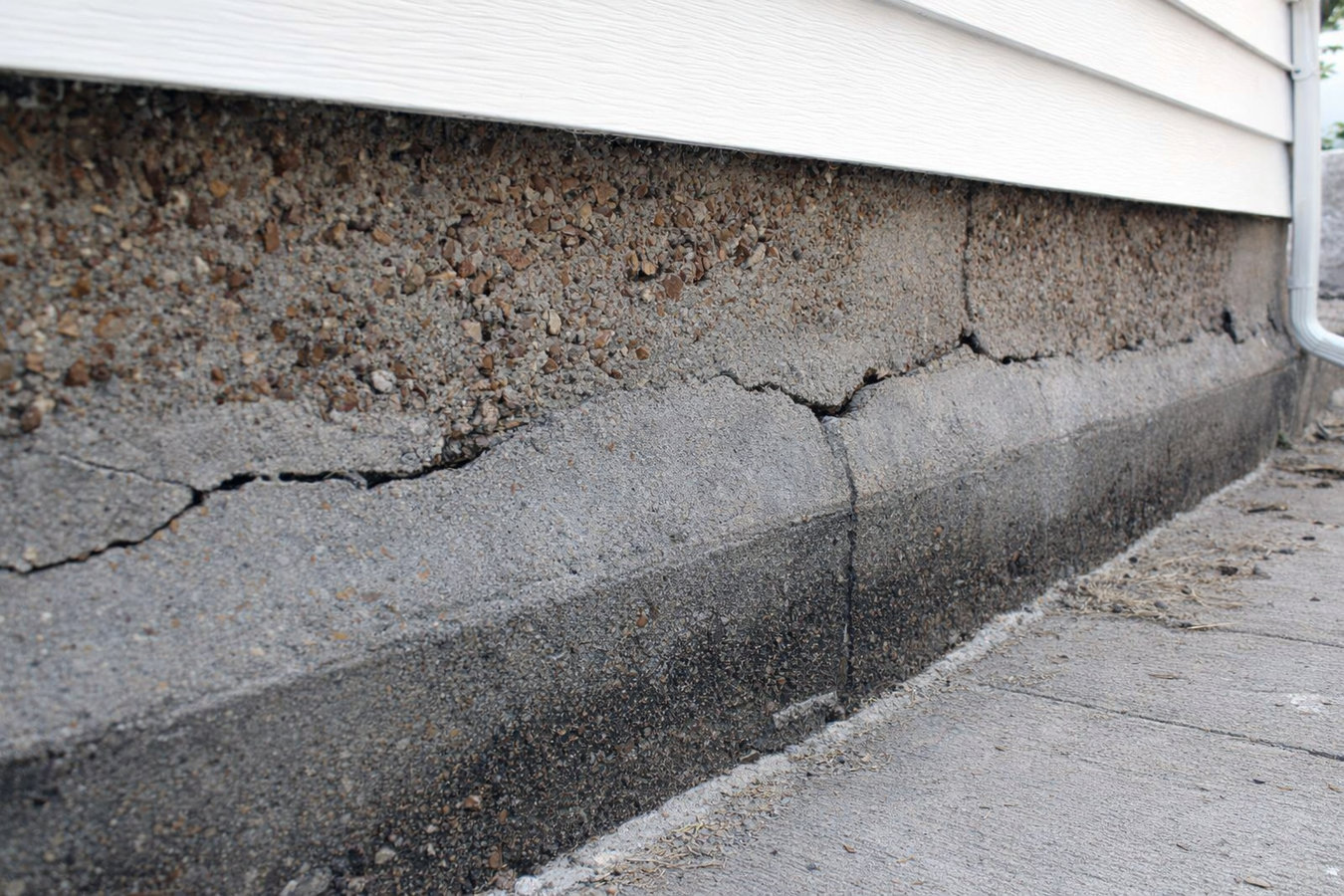
Sticking doors, sloping floors, or cracks spreading from your windows are signs Newark's clay soils are pulling at your foundation. We lift it back and keep it there.
Foundation raising in Newark, CA lifts a home that has sunk or settled unevenly back to a level position, using pier installation or slab lifting depending on your foundation type, with most residential jobs taking one to three days once permits are in hand.
Newark sits on bay mud and expansive clay soils that shrink every dry summer and swell every rainy winter. That seasonal cycle is the main reason so many homes here develop uneven floors, sticking doors, and diagonal cracks around windows over time. Foundation raising in Newark addresses the underlying movement, not just the symptoms on the surface.
If your home has also developed visible cracks in its exterior slab or concrete steps, our slab foundation building service can address the structural surface work alongside the lift.
If doors that used to swing freely now drag on the floor or refuse to latch, the frame around them has shifted. In Newark's clay-heavy soils this gets worse after a dry summer, when the soil shrinks and the foundation settles unevenly. It is one of the earliest signals that something is happening below your home.
Diagonal cracks fanning out from the corners of door frames or windows indicate that one part of your home is moving at a different rate than another. This is exactly what happens when a foundation settles unevenly. In Newark homes built in the 1950s and 60s, these cracks sometimes get dismissed as old-house settling when they actually signal a foundation issue worth investigating.
Place a marble on the floor and watch where it rolls. A slope you can feel underfoot - especially one that has grown more noticeable over the past year or two - means the foundation beneath that area has dropped. This is a gradual, one-directional lean, different from the normal flex of an older floor.
When a foundation settles, walls move with it but ceilings and floors do not always move at the same rate. This creates visible gaps at the top or bottom of interior walls, or separation between baseboards and the floor. In Newark's older neighborhoods, homeowners sometimes notice these gaps widen after a particularly dry summer.
We offer pier installation and slab lifting to cover the two most common scenarios Newark homeowners face. Pier installation drives steel supports deep into stable soil below Newark's clay layer - a durable solution for significant settling that affects the structural integrity of the home. Slab lifting, sometimes called mudjacking or foam lifting, pumps material beneath a sunken concrete slab to raise it from below, which suits situations where the slab itself is sound but has simply lost support underneath. If the foundation work reveals surface damage that needs addressing, our concrete cutting service can remove and prepare damaged sections for a proper finish.
Every foundation raising project begins with an on-site assessment because the right method depends on what caused the settling and what type of foundation your home has. We handle the City of Newark permit process and schedule the required city inspections so you do not have to track that separately.
Best for significant settling affecting a home's structural frame, with supports driven deep below Newark's clay layer.
Best for sunken concrete slabs that have lost support underneath but are otherwise in sound condition.
Newark is built on the edge of San Francisco Bay, and a large portion of the city sits on soft bay mud and expansive clay soils. Those soils absorb water during the rainy season and shrink during dry summers, creating a push-and-pull cycle that stresses concrete foundations year after year. Homes built in the 1950s through 1970s - a significant share of Newark's residential neighborhoods - were not designed with today's soil-movement or seismic standards in mind, which means settling has often been accumulating quietly for decades by the time a homeowner notices the first sticking door.
Newark also sits within a few miles of the Hayward Fault, one of the most active fault systems in the Bay Area. That seismic context means foundation repair here has to account for more than just soil movement - the supports need to hold under shaking, not just settle. Homeowners in Fremont, CA and Union City, CA face similar bay-edge soil conditions, and our crews work across all three communities regularly.
When you call, we ask a few basic questions - what you are noticing and how long it has been happening. We aim to reply within one business day to schedule a time to see the property in person.
A crew member walks through your home and around the exterior, checks floor levels, and looks at the foundation and soil around the perimeter. You get a written estimate outlining the recommended approach and total cost - no number handed to you without an explanation.
We apply for the required building permit through the City of Newark's Community Development Department before any work begins. Permit approval can take a week or more - that is a normal part of the process, not a delay caused by us.
On work day, we excavate or access the foundation at planned locations, install supports or inject lifting material, and monitor the lift so the home rises evenly. A city inspector visits at the required stage. When done, we backfill, clean the site, and walk you through what was completed.
Free on-site estimate. We handle the City of Newark permits. No pressure, no obligation.
(510) 561-1564We apply for the required City of Newark building permit before any work starts. That means a city inspector reviews the job at required stages - an independent check that protects you and creates documented proof of the repair for any future buyer.
Newark's expansive clay layer is the root cause of most foundation settling here. We specify pier depth based on local soil conditions, not a one-size-fits-all number. That means supports reach stable ground below the layer that moves with the seasons.
Working near the Hayward Fault means foundation repairs have to hold under shaking, not just normal soil pressure. The approach we use accounts for East Bay seismic conditions - verified against guidance from the Structural Engineering Association of California at seaoc.org.
Every foundation raising project comes with a written warranty. If you sell your home, that warranty transfers to the new owner - which adds documented, transferable value to your property and prevents last-minute surprises at closing.
These proof points add up to one thing: you know exactly what is happening under your home and why the repair will last. A well-documented, permitted foundation repair in Newark protects your investment now and when it comes time to sell. Verify any California contractor's license on the CSLB website before signing anything.
Precision cutting to remove damaged slab sections before or after a foundation lift.
Learn MoreFull slab pours for new construction or where an existing slab cannot be saved.
Learn MoreNewark's wet winters are hard on settling foundations - lock in your project date now and the work will be done and inspected before conditions change.