Loading...
Serving Newark, CA and surrounding areas. (510) 561-1564
Sticking doors, cracked walls, uneven floors, or an older Newark home that has never had a proper foundation inspection - we install reinforced foundations sized for local soil and California seismic requirements.
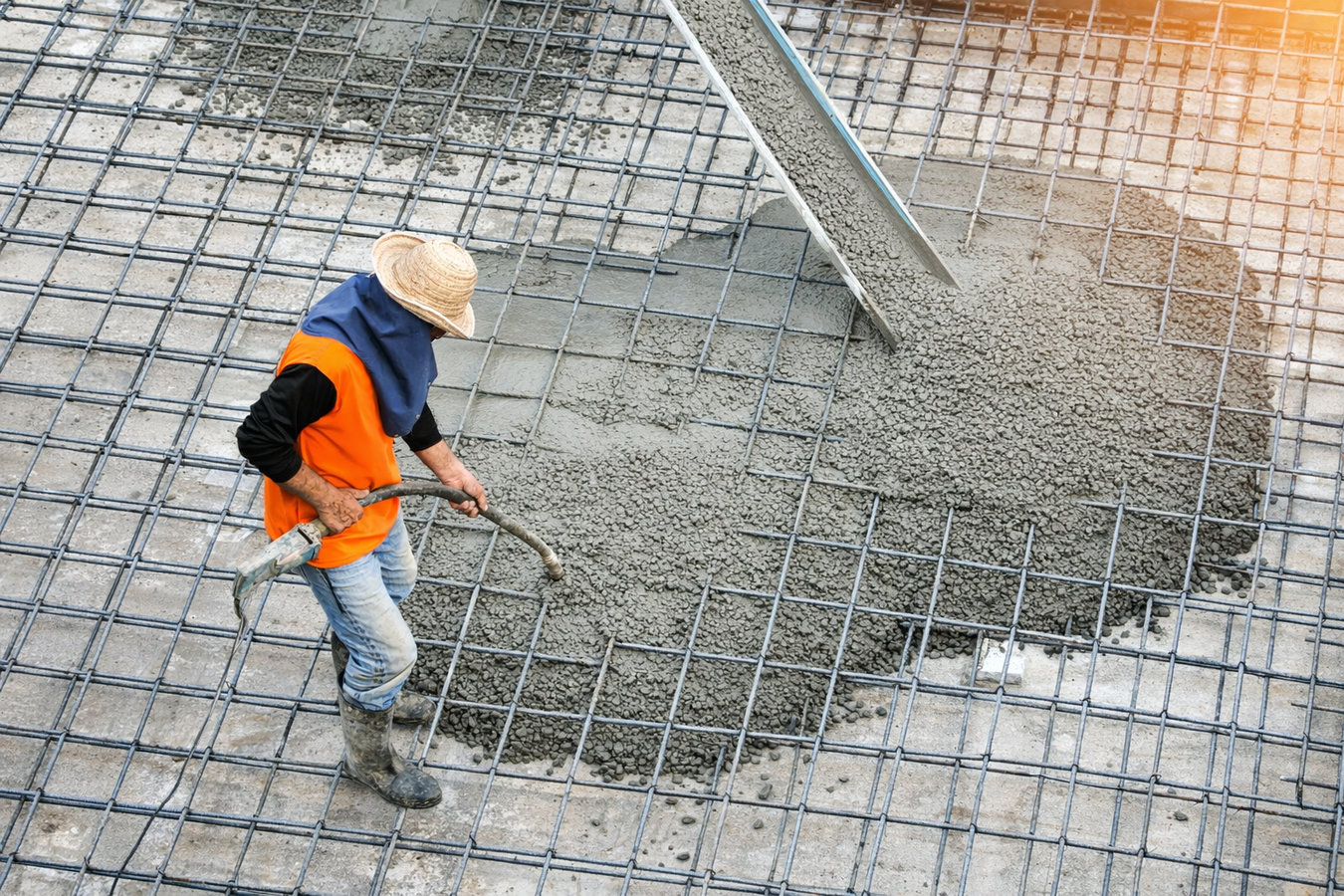
Foundation installation in Newark means excavating the site, preparing the soil base, setting steel reinforcement, and pouring the concrete structure that carries the full weight of your home into the ground. New installations typically take one to two weeks of active work, while full replacements on older homes run three to four weeks.
If your home is settling, showing wall cracks, or was built before current seismic codes were adopted, a foundation inspection is the right starting point. Newark sits on clay-heavy bay soils that move with the seasons and close to active fault lines - the foundation under your home needs to be designed for both of those realities. Homeowners adding new structures often start with slab foundation building as the base for ADUs or room additions connected to their main project.
Every foundation installation we do goes through the City of Newark Building Division permit process. That means a city inspector checks the work before concrete is poured - an independent set of eyes confirming the job was done correctly before it is buried under your home.
If doors or windows have started sticking, jamming, or leaving visible gaps at the corners, the frame of your house may be shifting. This kind of movement often traces back to a foundation settling unevenly. In Newark, the clay soils near the bay are a common driver - soil that swells in winter and shrinks in summer puts constant sideways pressure on older foundations.
Hairline cracks in drywall are normal. But cracks wider than a pencil, cracks running diagonally from window and door corners, or cracks appearing in exterior concrete or brick are worth taking seriously. These patterns often indicate the foundation is moving - and the earlier you address them, the less expensive the fix tends to be.
Walk slowly through your home and notice whether the floor feels level. A noticeable slope from one side of a room to the other, or soft and bouncy spots, can mean the structure underneath is compromised. In homes with raised foundations - common in Newark neighborhoods built before 1980 - this can signal deteriorated posts or beams.
Homes built before modern seismic codes were adopted in California often have foundations that were not designed to handle earthquake forces. Newark's proximity to the Hayward Fault makes this a real concern. If your home is more than 40 years old and has never had a foundation inspection or retrofit, that alone is a reason to have a qualified contractor take a look.
We handle new foundation installations for homes, additions, and accessory structures alongside full foundation replacements on older Newark properties. Every job starts with a site assessment - soil conditions, existing structure, and permit requirements are all factored into the design before we pour anything. For homeowners starting a new build from scratch, we often combine foundation work with slab foundation building as an integrated scope.
Larger commercial and mixed-use projects sometimes also need concrete parking lot building as part of the surrounding site work. We coordinate both scopes to keep the project on a single schedule and avoid rework between trades.
For new construction where a concrete slab will serve as both the floor and the structural base of the home.
For homes that need crawl space access or are being built on sloped lots where a slab-on-grade is not suitable.
For structures requiring a perimeter concrete wall that raises the framing above grade before the floor system begins.
For homeowners whose existing foundation is cracked, settled, or insufficiently reinforced and needs to be removed and replaced.
For homeowners combining a foundation replacement with the addition of anchor bolts and seismic connections - the most cost-efficient time to add this protection.
Newark's soil and seismic conditions together create a level of complexity that demands local knowledge. The Hayward Fault runs through the East Bay just a few miles to the west, and the city sits on bay mud and expansive clay soils that move with every wet and dry season. A foundation designed for typical California inland conditions will underperform here. California building codes already require more steel and stronger connections in this seismic zone than in lower-risk states - and inspectors in Newark check for it before the pour. Homeowners with pre-1980 raised foundations face a specific combination of outdated seismic design and decades of soil movement. This is also the most efficient time to add seismic bolting if you are replacing the foundation anyway - the structure is already exposed and the crew is already on-site. The Earthquake Brace and Bolt program has helped Bay Area homeowners fund this upgrade - ask us whether your home qualifies.
We serve Newark and the broader Alameda County area, including nearby communities like Hayward and Fremont. Homeowners across this corridor face similar soil and seismic conditions, and our work in all three areas has given us a clear picture of what local inspectors expect and what local soil actually does to foundations over time.
We respond within one business day. We ask a few quick questions - age of the home, what you have noticed, and whether any prior foundation work was done. Most foundation projects require an on-site visit before we can quote accurately.
We walk the perimeter, check the existing foundation, and - if there is a crawl space - look underneath. You receive a written, itemized estimate covering labor, materials, permit fees, and any soil prep work. Ask about anything unclear before signing.
We apply for the required building permit through the City of Newark Building Division. Standard residential approval typically takes one to two weeks. We coordinate the inspection schedule so work does not stall waiting for a city visit.
The crew excavates, compacts the base, places the rebar, and waits for the city inspector before concrete is ordered. The pour happens in a single day. After the concrete cures, a final city inspection closes out the permit. You receive the sign-off record before we leave the site.
No obligation, no pressure. We visit your property, look at the existing conditions, and give you a clear written breakdown before any work begins.
(510) 561-1564We do not use one-size-fits-all foundation designs. Newark's expansive bay mud and clay soils behave differently across neighborhoods - and differently from what a standard design spec assumes. We assess your specific lot before we design anything.
We apply for and manage every permit through the City of Newark Building Division - you do not need to contact the building department yourself. The city inspector reviews our work before the concrete is poured, and that record follows your home.
Serving Newark and the East Bay since 2023, we understand what seismic design requirements mean in practice for residential foundations here. Anchor bolts, rebar layout, and connection hardware are standard on every pour. The USGS documents why this region requires this level of attention.
Foundation work has a reputation for low quotes that climb once work begins. We break out labor, materials, permit fees, and site prep line by line before you sign anything - so you know exactly what you are committing to before a shovel touches the ground.
Foundation installation is not a project where cutting corners pays off later. Every decision made before the pour - the depth, the steel, the soil prep - determines how the structure above performs for decades. We take that responsibility seriously on every job we do in Newark.
New concrete slabs for ADUs, additions, and garages - poured and permitted to Newark standards.
Learn MoreCommercial and residential concrete parking surfaces built for heavy load and long-term durability.
Learn MoreAlameda County permit seasons fill up quickly - reach out now and we can get the permit application moving before the next busy period delays your project timeline.