
Loading...
Serving Newark, CA and surrounding areas. (510) 561-1564
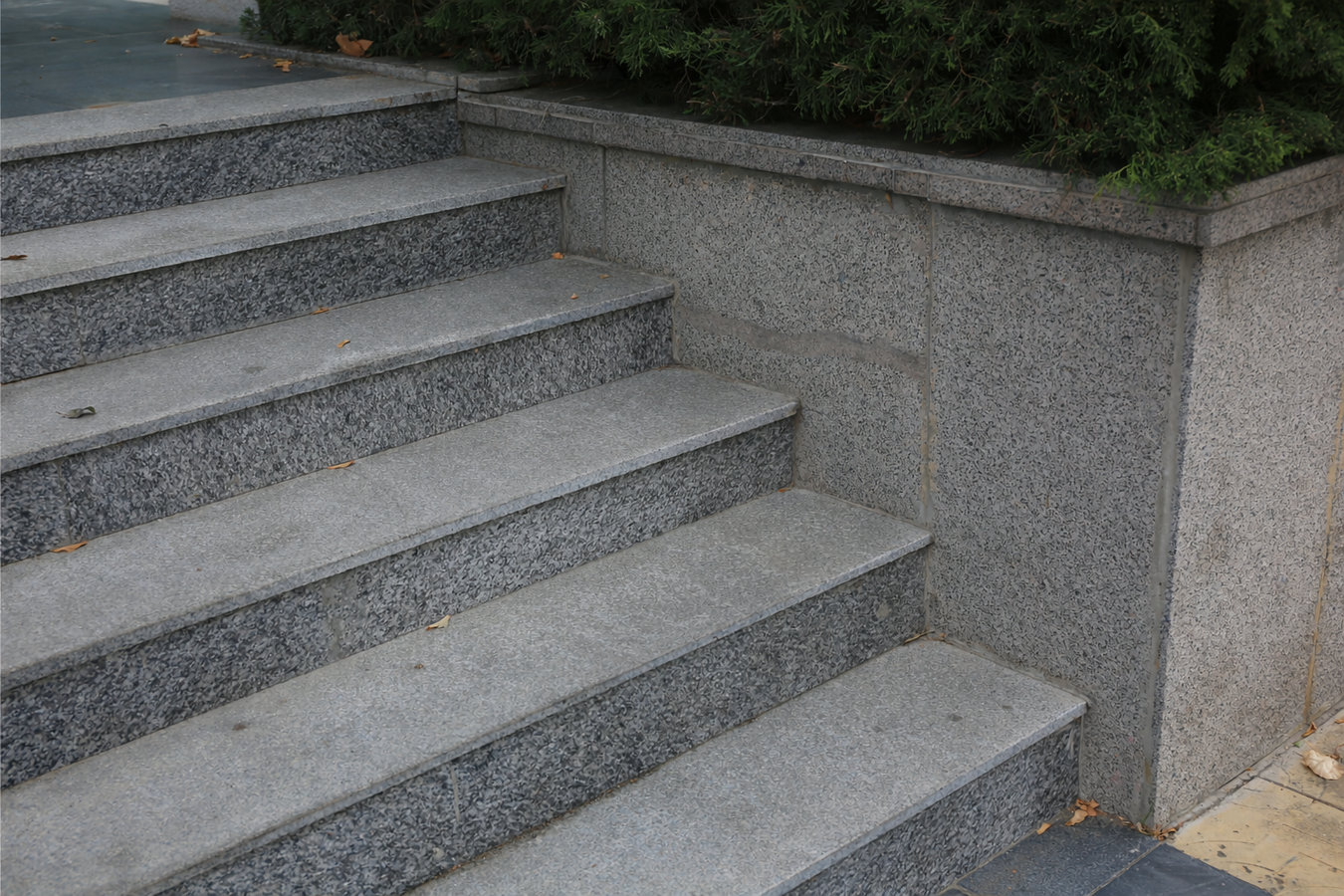
Cracked, tilting, or crumbling front steps are a hazard and a first impression. We build reinforced concrete steps in Newark that hold level through wet winters and the East Bay clay soil movement that breaks lesser work.
Concrete steps construction in Newark involves forming a mold, pouring reinforced concrete, and finishing to a safe, weather-resistant surface. Most residential front step projects take one to three days of active work, with light use possible within 24 to 48 hours of the pour and full strength reached over the following month.
Newark's clay soil is the reason so many steps in older neighborhoods crack, tilt, or pull away from the house - the soil expands in wet winters and contracts in dry summers, and steps poured on uncompacted ground absorb the full impact of that movement. Getting the base right before the pour is the work that most distinguishes steps that last from steps that do not. If your property also has a grade change at the entry, our concrete retaining walls service can stabilize the slope alongside the new steps.
Small hairline cracks can be normal as concrete ages, but cracks wider than a pencil tip - or cracks that run all the way across a step - signal the structure is breaking down. In Newark's clay soil, these cracks often appear because the ground beneath the steps has shifted over many wet and dry seasons. Once cracking reaches this stage, patching rarely holds for long.
If you can see a gap between your steps and your front door threshold, or if the steps visibly slope to one side, the base beneath them has moved. This is a common problem in Newark's older neighborhoods, where original steps were often poured directly on uncompacted soil. Tilted steps are also a trip hazard and a liability concern.
When the top layer of concrete starts to peel away in chips or flakes - especially after wet winters - the surface has begun to deteriorate from the inside out. This is called spalling, and it gets worse each year. Once you are sweeping up concrete chips after every rainstorm, it is time to replace rather than repair.
Steps should be built with a slight forward pitch so water runs off. If you notice puddles sitting on your steps after it rains, the pitch has either worn away or was never built correctly. Standing water speeds up surface deterioration and creates a slipping hazard during Newark's wet winter months.
We build new concrete steps from scratch and replace existing sets - wood, brick, or concrete - with a full demo-and-haul before the new work begins. Every set of steps we pour includes a compacted gravel base, interior steel reinforcement, and a forward pitch on each tread to shed water. Finish options include a standard broom finish for slip resistance, exposed aggregate for a textured look, or stamped patterns for homeowners who want their entry to make a statement. If the project also calls for work at the foundation level, our slab foundation building service can address any underlying slab issues at the same visit.
We also handle handrail planning as part of the steps build. California's building rules require a handrail when steps rise above a certain height, and your contractor and the city inspector will flag this during the permit process if it applies to your project. Planning for it during the original build is significantly less expensive than having one installed separately later.
Best for homes that never had steps or had wooden steps removed - we form and pour from a clean start.
Best for existing concrete or brick steps that have cracked, tilted, or are beyond repair - we remove everything first.
Best for homeowners who want a clean, practical finish with reliable slip resistance in wet weather.
Best for homeowners who want a front entry that complements their home's exterior with a custom look.
Best for multi-rise entries or homes with elderly or young residents - we plan for the handrail post anchors during the pour.
The majority of Newark's residential neighborhoods were built in the 1950s through 1970s. Many of these homes have original concrete steps that are now 50 or more years old and well past the point where surface patching makes sense. Concrete from that era was often mixed and poured to lower standards than what is used today, and a full replacement rather than a repair is frequently the more cost-effective long-term choice. If your home is from this era and your steps have never been replaced, a contractor visit for an estimate is worth doing - even if the surface looks acceptable from the street. Homeowners in Hayward, CA share the same mid-century housing stock and the same ground conditions, so the replacement logic applies there as well.
Newark's rainy season runs roughly November through March, and concrete should not be poured during heavy rain or when cold overnight temperatures are expected. Most contractors in the area prefer to schedule pours in spring through early fall and plan around the forecast. If you want new steps before the holiday season, reaching out in late summer or early fall puts you ahead of the fall rush. Homeowners in San Leandro, CA deal with the same seasonal scheduling window and the same advice applies - earlier is better for fall targets.
Call or submit a form and we will follow up within one business day. We schedule a free on-site visit to measure the area, assess the existing steps, and give you a written quote that spells out demolition, permit, and cleanup - so there are no surprises later.
We apply for the required City of Newark building permit - this typically takes a few business days to a couple of weeks depending on current city workload. You do not need to do anything for this step; we handle it and confirm the permit is approved before the crew arrives.
The crew removes existing steps with a jackhammer and hauls away the debris, then compacts a stable gravel base, sets the forms, and places reinforcement before the pour. This is the noisiest part of the job. Plan to use a back door on demo day since your front entry will be temporarily inaccessible.
Stay off the steps for at least 24 to 48 hours after the pour. A city inspector visits to sign off on the permit, and once the concrete has fully cured we do a final walkthrough with you - pointing out any rough spots or edge details and explaining how to maintain the surface going forward.
We reply within one business day, provide a written quote at no charge, and handle all City of Newark permits from start to finish.
(510) 561-1564Newark's expansive clay soil is the primary reason steps crack and tilt in this area. We compact a proper gravel base before every pour, which is the step that most separates long-lasting steps from short-lived ones. It adds time to the job and we do it on every project.
We hold a valid CSLB license and carry general liability and workers' compensation insurance. You can verify our license number on the California Contractors State License Board website before signing anything - we provide it without hesitation.
We pull the required City of Newark building permit for every steps replacement and coordinate the city inspection before closing out the project. A permitted job means official documentation that the work was done correctly - which matters at sale time.
We have been building concrete steps and flatwork for Newark homeowners since 2023 and know the permit offices, soil conditions, and inspection expectations in this area. That local familiarity reduces surprises and keeps projects moving.
Every steps project we complete in Newark starts with a proper base and ends with a permit sign-off and a finished surface you can walk on safely. The Portland Cement Association publishes the curing and construction standards we follow on every pour - because the difference between steps that last and steps that fail is almost always in the preparation and curing, not the surface finish.
If your steps connect to a slab-on-grade entry, we can assess and repair the foundation at the same time.
Learn MorePair new steps with a retaining wall to manage grade changes at the front or side of your home.
Learn MoreOur fall calendar fills quickly - reach out now to lock in your project date before the wet weather window closes.