
Loading...
Serving Newark, CA and surrounding areas. (510) 561-1564
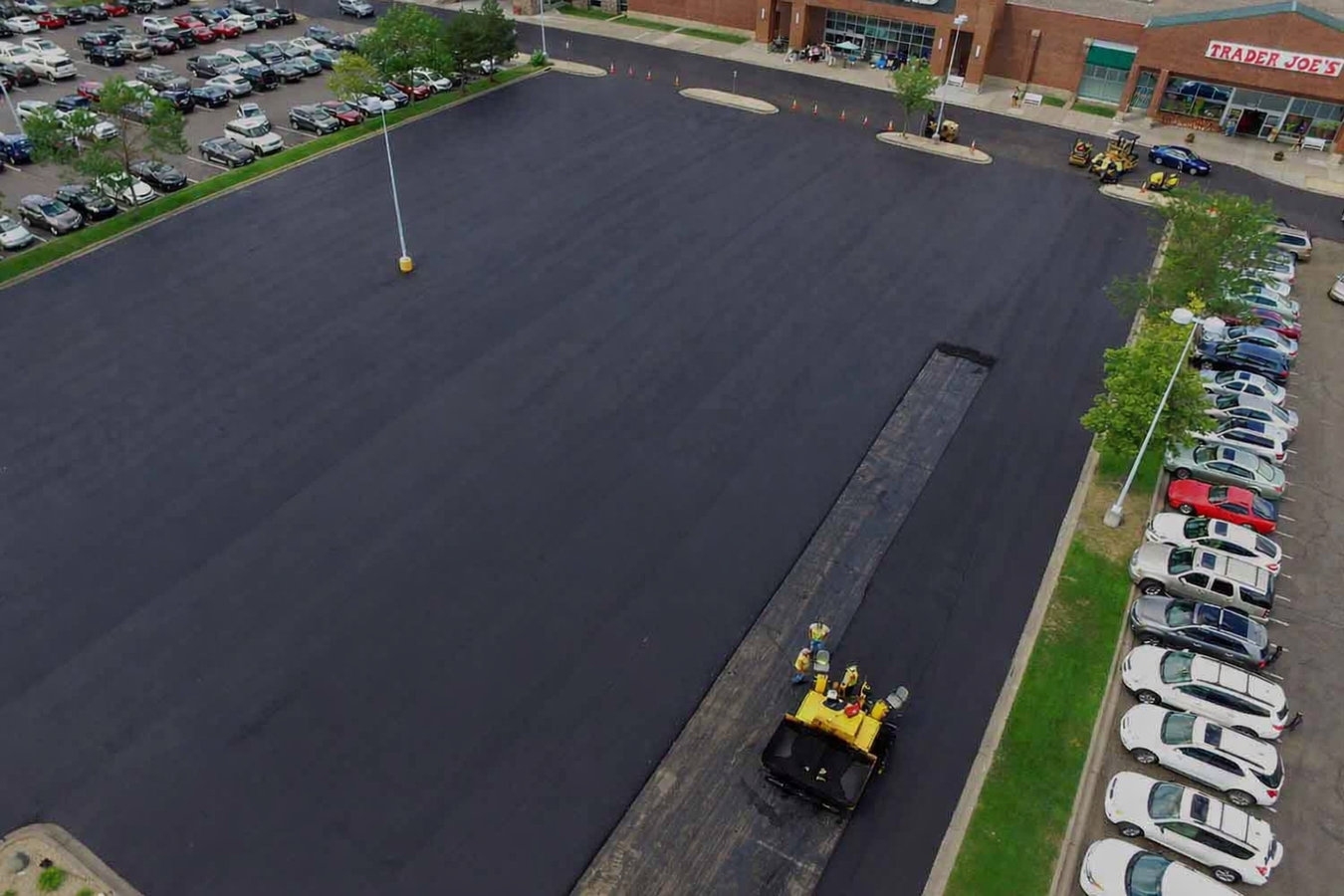
Your old lot is cracking, draining wrong, or just worn out. We build concrete parking lots in Newark with proper base prep, drainage, and permits - so the finished surface holds up for decades.
Concrete parking lot building in Newark means removing the existing surface, preparing a stable base, and pouring a reinforced concrete slab designed to hold up for 30 or more years - most standard residential or small commercial lots take two to five days of active work to complete.
A lot of homeowners and small business owners in Newark contact us after years of patching cracks or dealing with surface that turns to mud every winter. The problem is rarely the top layer - it is the ground underneath that was never prepared properly. Concrete parking lot building done right means engineering the base and drainage first, then pouring the slab on top of a foundation that can handle Newark's expansive clay soils. If you are also looking at your driveway or adjacent surfaces, our concrete driveway building service uses the same approach.
The City of Newark requires permits for new parking lot construction, and that permit process also covers drainage compliance. We handle all of that for you so the finished lot is fully above board - no paperwork on your end, no surprises when you sell or refinance.
If you see cracks that are widening, have uneven edges, or have chunks missing, the surface has likely reached the end of its useful life. Patching individual cracks can buy time, but once cracking is widespread, a full replacement is the more cost-effective path.
Newark gets concentrated rainfall in winter, and if water sits on your parking area for hours after a storm, the surface has settled unevenly or was never graded correctly. Standing water accelerates deterioration and erodes the base - drainage needs to be fixed, not just the surface.
If parts of your lot feel soft, have visible dips, or rock when you step on them, the base has shifted or eroded. In Newark, the expansive clay soils under much of the city cause this kind of movement as they swell and shrink with seasonal moisture changes. This is a structural issue that gets worse without attention.
Many Newark properties - especially older ones near the industrial corridors - have unpaved or poorly paved areas that create dust, mud, and drainage headaches. If you are tired of dealing with a surface that turns to mud in winter or kicks up dust in summer, a permanent concrete surface solves multiple problems at once.
Every concrete parking lot project starts with the work you cannot see: excavating the existing surface, grading for drainage, compacting the subbase, and building up a stable gravel layer before any concrete is poured. We place steel reinforcement inside the slab and cut control joints at the right intervals to manage where the concrete naturally wants to crack. Whether you need a small residential lot or a larger commercial surface, the process is the same - and so is the permit work. For projects that go beyond just the lot itself and involve foundation or structural elements underneath, take a look at our concrete footings service, which handles the underground structural work those projects require.
If your project involves converting a gravel or unpaved area, we handle demolition and haul-off as part of the scope. If you are replacing an old asphalt lot, we remove the existing surface and prepare the ground correctly before pouring - because pouring over a compromised base just moves the problem forward a few years. We also work on driveways adjacent to lots, so if the approach or connecting surface needs attention, that can be included in the same project scope.
Best for properties converting a gravel, dirt, or unpaved area to a permanent concrete surface.
Best for properties with an old asphalt or deteriorated concrete lot that has reached the end of its useful life.
Best for Newark business owners who need a surface that handles delivery trucks, service vehicles, or equipment - not just passenger cars.
Best for homeowners who need off-street parking for multiple vehicles and want a clean, permanent surface that adds value to the property.
Newark sits on the eastern edge of San Francisco Bay, and much of the city is underlain by Bay mud and expansive clay soils that swell when wet and shrink when dry. That seasonal movement puts stress on concrete slabs from below, which means base preparation is not optional here - it is the whole ballgame. A contractor who quotes you without discussing base work and drainage in detail is not quoting you a lot that will last. Newark is also in a seismically active zone near the Hayward Fault, and that is one more reason reinforcement placement inside the slab matters. The USGS Earthquake Hazards Program documents this risk clearly for contractors and homeowners alike.
Newark also has a meaningful mix of residential and light industrial land uses, and many property owners here need lots that can handle more than just passenger cars. Telling your contractor upfront what will actually be parking on the surface is one of the most important parts of the design conversation - it affects slab thickness and reinforcement decisions that cannot be changed after the pour. We work across Fremont, CA and Union City, CA, where soil and permit conditions are similar, so we bring that same regional experience to every Newark project.
We will ask about the lot size, what is currently there, and what vehicles will use it. You will hear back within one business day to schedule a site visit - because an accurate quote requires seeing the ground conditions in person.
We assess the existing surface and soil, confirm drainage needs, and provide a written estimate that breaks down every line item. Once you approve, we apply for the required City of Newark building permit - typically a one to two week process - so there are no delays once work begins.
We remove the existing surface, grade and compact the subbase, place the gravel base and reinforcement, then pour the concrete in a single pour for most residential-scale lots. Control joints are cut into the surface the same day.
Keep vehicles off the surface for at least seven days. We will give you a clear ready date before we leave. Because we pulled a permit, the city schedules a final inspection - we manage that coordination so you do not have to make a single call.
No obligation. We visit the site, explain exactly what the job involves, and give you a written quote you can compare.
(510) 561-1564We manage the City of Newark permit application and coordinate the final inspection from start to finish. You never have to call the city, and the finished lot is fully documented - which matters when you sell or refinance.
Newark's expansive clay soils are the main reason parking lots fail early here. Every lot we build includes compacted base preparation designed for this ground - not a shortcut copied from a colder or drier climate.
Standing water on a parking lot is not just an inconvenience - it is what erodes the base and shortens the life of the slab. We design slope and drainage into every lot before the forms go up, so winter rain drains the way it should. The Alameda County Clean Water Program sets stormwater rules we follow on every project.
Every project starts with a written estimate covering demolition, base prep, drainage, concrete thickness, and cleanup. What you approved is what we build - no vague add-ons, no surprises on the final invoice.
Taken together, these points add up to a single thing: a parking lot that does what it is supposed to do, permitted and built correctly, on a timeline that was agreed in writing before work started. That is what we deliver on every project in Newark.
Underground structural footings for decks, additions, and retaining walls - engineered for Newark's clay soils and seismic requirements.
Learn MoreA new concrete driveway using the same base preparation and drainage principles as our parking lot work.
Learn MorePermit slots fill up before summer - reach out now to lock in your start date and get a written estimate before the season rush.